
Grand Jury Investigation: What It Means If You're Called to Testify
You received a subpoena to appear before a federal grand jury. Or maybe someone at your office got one, and now you're worried: Are you next?
The grand jury is one of the most misunderstood parts of the federal system. Most people have no idea what happens behind those closed doors or what their rights are when called to testify. Here's what you need to know.
What Is a Grand Jury, and Why Should You Care?
A federal grand jury is a group of 23 citizens who review evidence presented by prosecutors and decide whether probable cause exists to bring federal criminal charges. Think of it as a prosecutorial filtering system—it prevents the government from just indicting anyone on a whim.
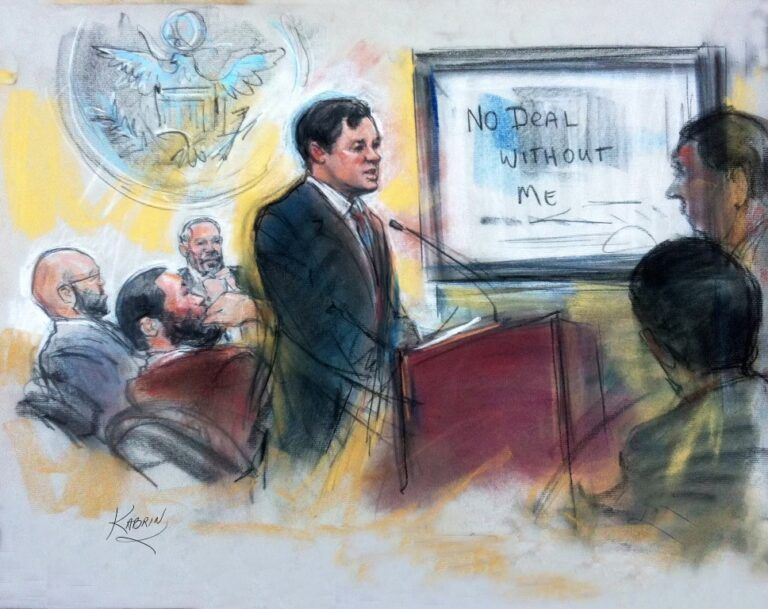
Here's the catch: Grand jury proceedings are completely one-sided. Only prosecutors and the grand jury are present. There is no judge. The target of the investigation and their attorney are NOT there. The defendant's side doesn't get to present evidence. It's prosecutors showing their case, unopposed.
This is why grand jury "investigations" can feel threatening even if you're just a witness. You don't see what's being said about you, and you can't defend yourself.
Why You Might Receive a Subpoena
Common reasons include: you worked for or with someone under investigation, your business had dealings with the investigation target, you have documents relevant to the case, your communications are part of evidence being reviewed, or you witnessed something prosecutors think is relevant.
Important: Receiving a subpoena does NOT mean you're the target. Often, only a handful of people in a large investigation are actually criminal defendants—many subpoenaed witnesses are peripheral. DOJ policy generally forbids prosecutors from subpoenaing the target of the investigation to testify, so if you get a subpoena to testify it usually means you are not a target.
What Happens in the Grand Jury Room
When you testify: you're under oath (lying is perjury—a federal crime), only prosecutors, the grand jury, and a court reporter are present, your attorney CANNOT be in the room (this is the exception to normal legal rights), though you will be permitted to leave the grand jury at any time during your testimony to consult with your counsel who is permitted to wait in a nearby grand jury waiting area, and questions are broad and accusatory.
There's no judge to rule on objections or protect your rights. This is why representation matters: your attorney prepares you extensively before testimony so you understand the risks and know how to answer truthfully without overexplaining or incriminating yourself.
Your Rights Before Testifying
Before the grand jury, you have rights: Consult with your attorney—take time to prepare. Assert the Fifth Amendment—if answering would incriminate you, you can refuse to answer (but this signals prosecutors that you may be a target). Understand the topics—know what areas prosecutors will question. Request immunity—your attorney can ask prosecutors for immunity before testimony.
Critical: Many people think cooperation helps. Often it backfires. What you say in the grand jury can and will be used against you if charges are filed.
The Strategic Dilemma: Cooperate or Protect Yourself?
This is where experienced counsel matters. Your attorney helps you navigate whether to invoke the Fifth Amendment (cooperation signal vs. self-protection), how to answer questions truthfully without volunteering damaging information, whether immunity is worth pursuing, and what risks testimony creates.
Some grand jury witnesses emerge from testimony as targets. Others appear, answer questions, and never hear from prosecutors again. The difference often comes down to preparation and strategic choices.
What Comes After Grand Jury Testimony
If indicted: the grand jury's testimony remains sealed but can be used in court, you can challenge the grand jury process in limited circumstances, and your testimony might be used at trial or in plea negotiations.
If not indicted: the case likely closes (though it can reopen years later), and grand jury secrecy means you never fully learn what was discussed.
Take This Seriously
Grand jury testimony isn't casual. It's a critical moment where federal prosecutors are building their case, and your words are being recorded and reviewed. How you handle it matters.
The Federal Defense Brief